This week in our school community: 26 June 2026
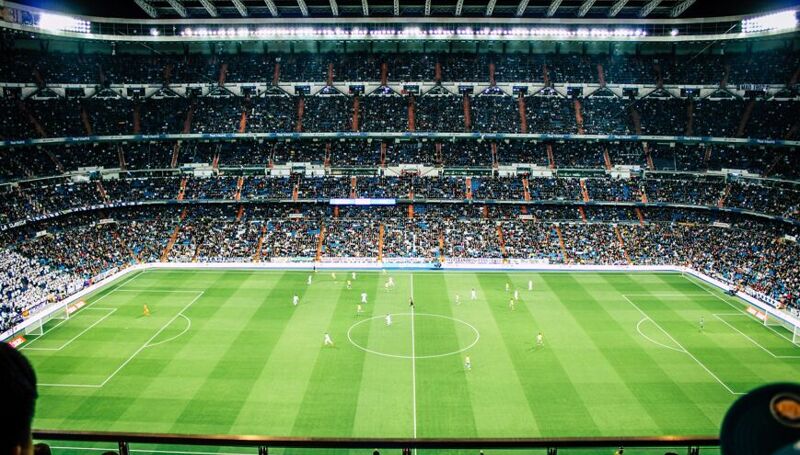
...The Pope is for all teams, but Robert Prevost is for Real Madrid!...
The History of the World Cup and Catholic Social Teaching – Jules Rimet
Over the last couple of weeks the World Cup has excited, surprised and shocked the world in so many ways. There is so much power in sport and its ability to unite people of all nations and cross cultural boundaries. Seeing so many videos and pictures of fans coming together to share their experiences and create camaraderie on the news and social media platforms has been magnificent. Even the Pope has been persuaded to share a little about his love of football, on his recent Papal visit to Spain he told locals that “The Pope is for all teams, but Robert Prevost is for Real Madrid!”. He shared a message on social media comparing the team spirit of football with life: "Soccer reminds us of something we must not forget: life is not a race to show off on our own, but a path we learn to walk together. Anyone who does not know how to pass the ball, even if they have talent, has not yet understood the game. Anyone who does not know how to live with and for others has not yet understood life."
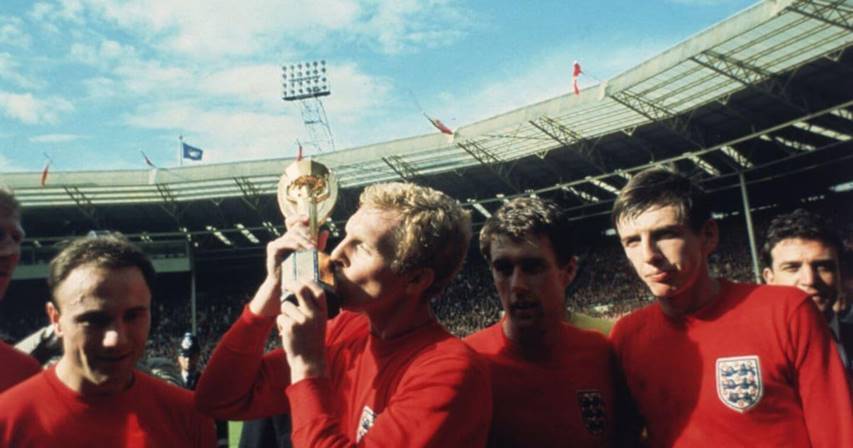
Earlier this week I came across an enlightening article on Catholic site, wordonfire.org, which explained the roots of the first world cup and the vision of the FIFA president at the time. Jules Rimet, who was inspired by Pope Leo XIII’s encyclical, Rerum Novarum. Most of us associate Jules Rimet with the name of the old world cup trophy from 1966 when the trophy went missing then was found again by Pickles, England won the competition, and were presented with the Jules Rimet Trophy. Catholic Social Teaching is deeply rooted in his decision to introduce the world cup as a global competition, bringing people of all social status and class, from all corners of the world, together to compete. Below is a short excerpt from the article. I’d strongly recommend clicking the link and reading the full article - https://www.wordonfire.org/articles/how-rerum-novarum-inspired-jules-rimet-to-create-the-world-cup/.
Not many people know that the history of the World Cup starts in 1891, in a village in eastern France, so small it currently has a population of 105—Theuley. Right there, at the ripe age of seventeen, Jules Rimet, the son of a grocer raised by devout Catholic grandparents, read Pope Leo XIII’s Rerum Novarum when it was still warm off the press. Jules went on to become a lawyer and started a magazine called La Revue de la Jeunesse (The Youth Review), and this publication was focused on further discussing the (at the time) progressive vision of a new world order as laid out in Rerum Novarum. This journal is the clearest evidence of the impact this encyclical had on him, but the World Cup is a truly precious fruit.
Fast forward to 1930: Rimet boarded an Italian steamship at Villefranche-sur-Mer with a gold-plated trophy tucked inside his suitcase. He set route to the first ever World Cup, a project that had been his brain child since his teen years. Most of the European players on board had never been to South America, but the promise of the first international soccer tournament was worth the trip. This was a quite rudimentary start, but reading Rerum Novarum planted a seed, and Jules Rimet was determined to bring it to reality. He had worked toward this moment for the better part of three decades, and it was all for reasons that went far beyond the sport.
Ninety-six years later, the World Cup he created is the most watched sporting event in human history. Five billion people engaged with the 2022 tournament. The 2026 edition, happening right now in North America, is expected to add even more. The FIFA World Cup causes cities to pause and whole countries hold their breath in unison. A sport most Americans treat as another little league option becomes, for about a month every four years, the axis around which the world turns.
Rerum Novarum is Latin for “Of new things” and its purpose was to address the social and economic problems of the time. The Industrial Revolution had taken apart the old order, and workers had lost the protective guilds of earlier centuries. The void it left was causing serious pain, and the Church could not stay quiet to this. Jules grew up to become a soccer executive and president of FIFA and undoubtedly, Pope Leo XIII’s points on the value of associations among people left a lasting impact.
The misery and wretchedness pressing so unjustly on the majority of the working class. . . . Working men have been surrendered, isolated and helpless, to the hardheartedness of employers and the greed of unchecked competition. (RN3)
When Rimet became president of FIFA in 1921 and began pushing seriously for a global tournament, the main obstacle wasn’t logistics or money. It was about the philosophy behind this new concept. The dominant figure in international sport at the time was Baron Pierre de Coubertin, founder of the modern Olympics, and de Coubertin’s entire project was built on what he called the “amateur ideal,” the belief that sport belonged to those who did not need it to pay the rent. The gentleman athlete. The man who had the time to train and play for the love of the game rather than a wage. He strongly opposed anything related to the commercialisation of sports. Under these terms, being an athlete was the privilege of the few.
On its face, this turned sports into just another sophisticated social club. In practice, it was a class filter, and since there was no desire to mix the classes or offer opportunities to others, many weren’t open to Rimet’s dream for an all-inclusive World Cup. Rimet understood that the classes need each other and that those lines can be blurred in the name of something more important— patriotism.
Despite the resistance, Rimet maintained conviction over Pope Leo XIII’s invitation. He was determined to bring the principles of union and relationship among classes, and emphasising the dignity over one’s work, gifts and talents. For the first time, for soccer players willing to don their craft and become professionals, this became the cornerstone of the World Cup and what made it so different from the existing soccer tournaments.
At the 1928 FIFA Congress in Amsterdam, the member nations voted and Rimet’s vision came to life. Just two years later Rimet crossed the Atlantic with the trophy in his bag and thirteen national teams. A small but quite interesting fact is that Romania, France, Yugoslavia, Belgium, a few referees and Rimet himself crossed the Atlantic together aboard the Conte Verde. They later picked up the Brazilian delegation on their way to Uruguay. And why Uruguay? Because they offered to pay for the whole tournament, since Europe had no funds for sports and was recovering from the tragedy of World War I. Uruguay even paid for the European players’ travel expenses. Small details that showcase the camaraderie, solidarity and team effort that still characterise the World Cup.

Mr Robinson
Lay Chaplain